MÜLLER Pile Driving
MÜLLER VIBRATION TECHNOLOGY
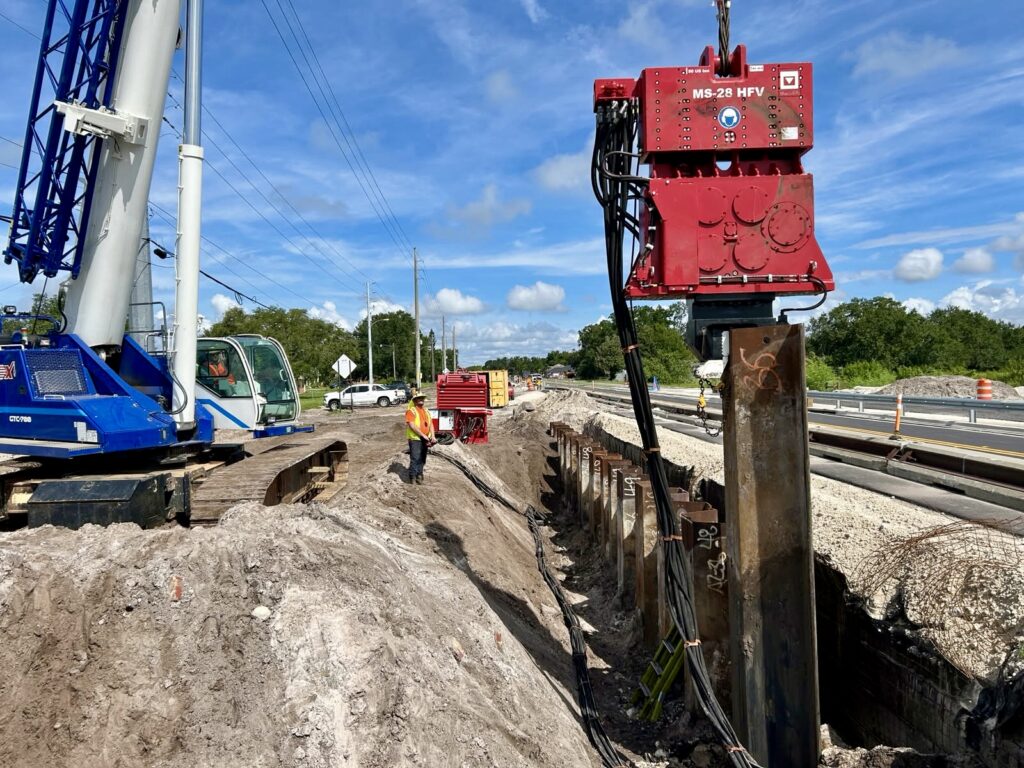
Optimal machinery and equipment are the key to cost-effective work in infrastructure and engineering projects. We supply our customers with the complete range of machinery and equipment for driving and extracting steel sheet piles, tubular piles, beams, and other piling sections for light to heavy pile driving jobs. We also provide a convincing technical concept and ensure that the project is executed cost-effectively.
Depending on the on-site requirements, we offer our customers a broad spectrum of suitable machinery, with a range of variants and performance variables, turning as well to our own products such as MÜLLER pile driving and extracting equipment and our excavator-mounted drill drives.
Portfolio Overview
Characteristics
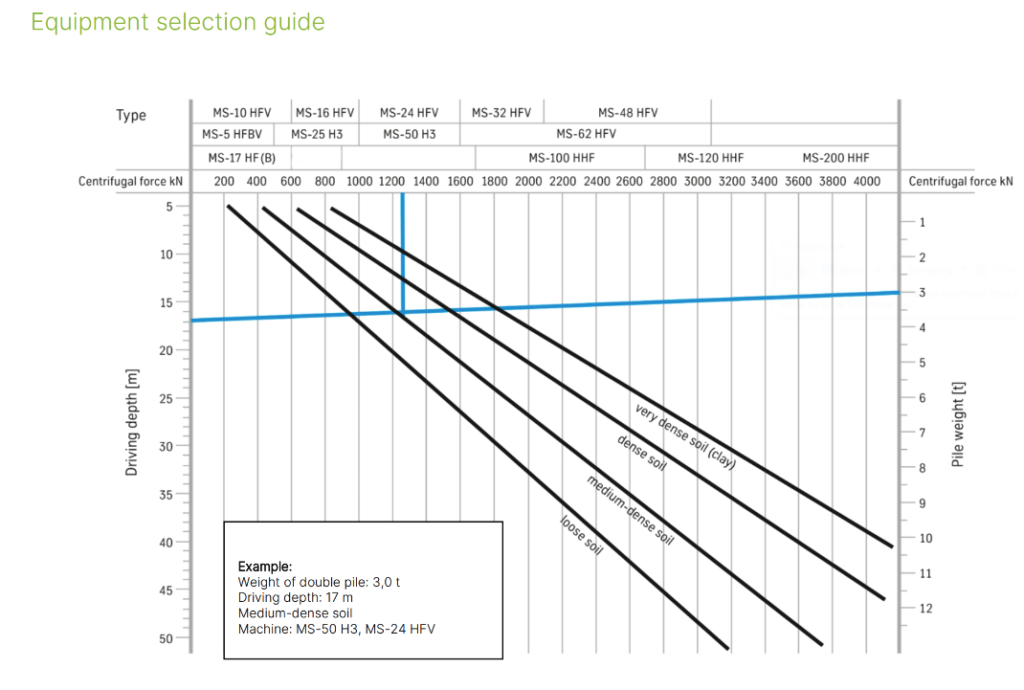
The selection of a suitable vibratory hammer depends mainly on the size and weight of the pile, the driving depth, and the existing soil. In principle, the centrifugal force and amplitude must be selected so that the surface friction and the tip resistance between the pile and the surrounding soil can be overcome.
Selection Guide
The selection guide helps to choose the right vibratory hammer or determine the centrifugal force required depending on soil conditions, pile weight, and driving depth.
The use of additional equipment, e.g., flushing lances or pre-drilling units, can help to achieve much better driving performance with the same size or centrifugal force of the vibratory hammer.
The power pack must be powerful enough to provide the necessary working torque to ensure the centrifugal force of the vibratory hammer, even in difficult soils. The drive output should be 2-3 kW per 10 kN centrifugal force.
For an exact equipment selection, depending on soil parameters and pile section data, please contact our technical consultants. They will use numerical simulation software to calculate the optimum machine for your application.
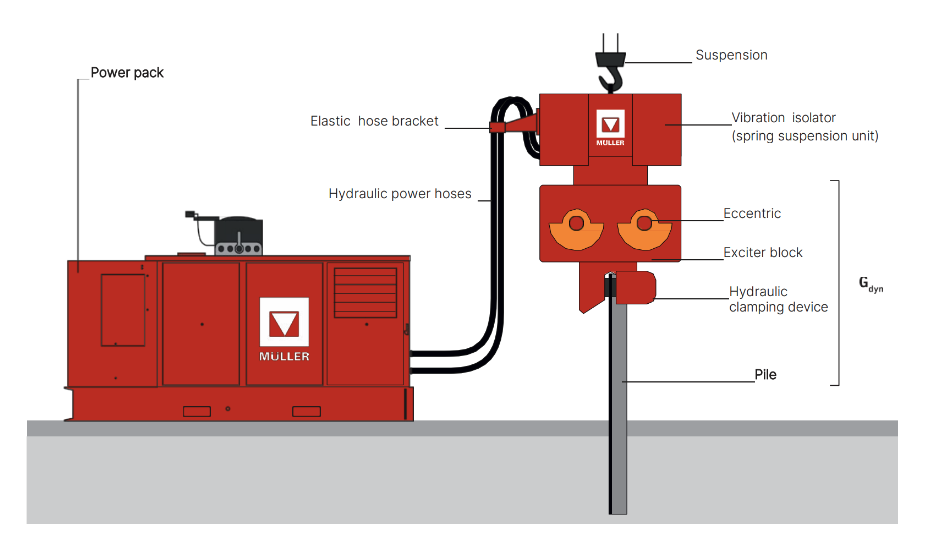
Operating Principle of MÜLLER Vibratory Hammers
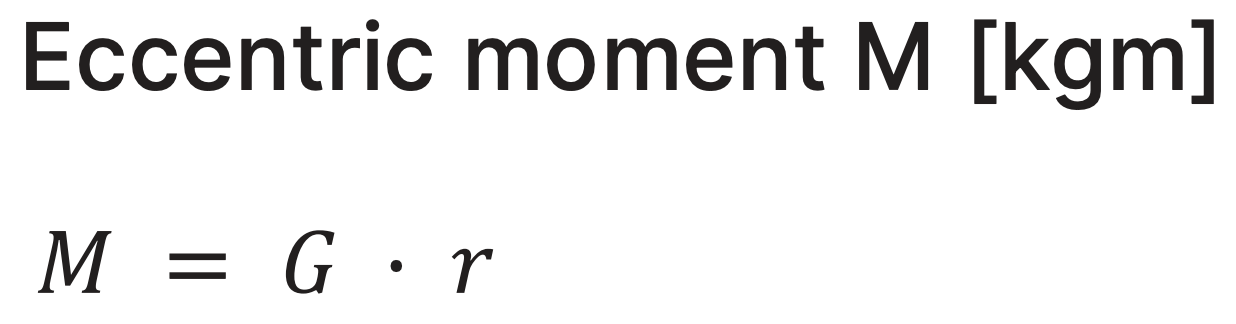
Eccentric moment M [kgm]
The eccentric moment is the measure of unbalance. As a determining factor for amplitude it is a key parameter for driving operations.
Speed (frequency) n [rpm]
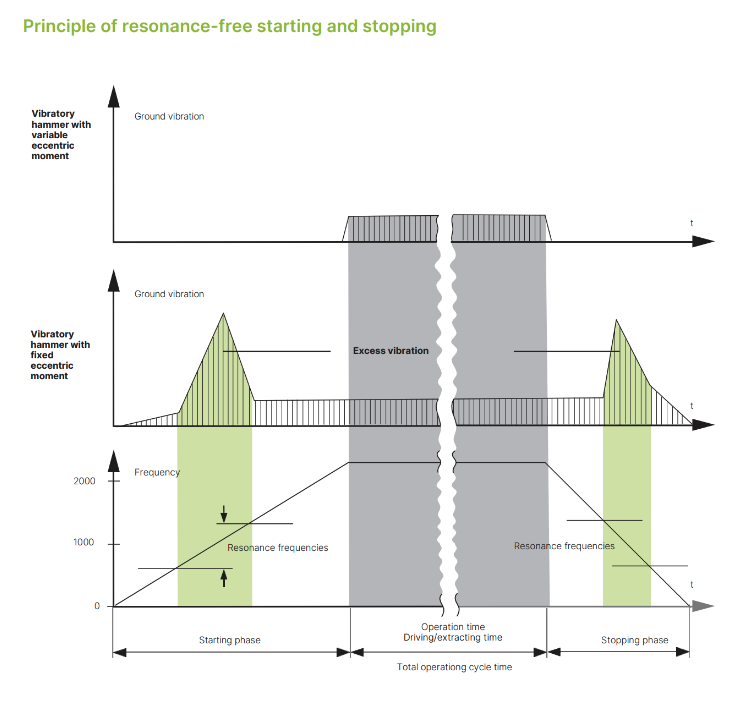
The speed dictates the vibration frequency of the system. The vibrations are transferred via the pile to the surrounding soil, significantly reducing the surface friction between pile and soil. High frequencies counter the unwanted spread of vibrations in the soil.
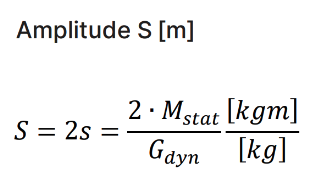
Amplitude S [m]
Together with centrifugal force, amplitude is a measure of driving performance. A large ‘stroke’ and high ‘impact force’ ensure good driving progress. When driving and extractingin cohesivesoils, the elastic connection between pile and soil can only be overcome if the amplitude is high enough.
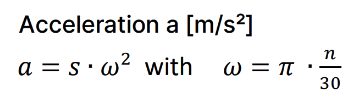
Acceleration a [m/s²]
Transmission of the pile acceleration to the surrounding soil causes the displacement of the grain structure and reduces grain friction and soil resistance. Accelerationis expressed as the ratio of acceleration of the vibrator to gravity.
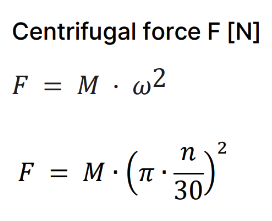
Centrifugal force F [N]
The centrifugal force must be high enough to overcome surface friction between pile and soil. Centrifugal force plays a major part in reducing surface friction and provides impact force to overcome tip resistance.
Clamping Force Requirement
When selecting the clamping device, care must be taken to ensure that the clamping force is sufficient in relation to the vibrator’s centrifugal force. The required clamping force [kN] is calculated by multiplying the centrifugal force [kN] x factor 1.2. It is also possible to reduce the centrifugal force of the vibratory hammer at a given clamping force in order to remain within the permissible parameters.

Operating Principle of MÜLLER Vibratory Hammers